
Nokota Horse - Theodore Roosevelt National Park, ND
Nokota Horse - Theodore Roosevelt National Park, ND
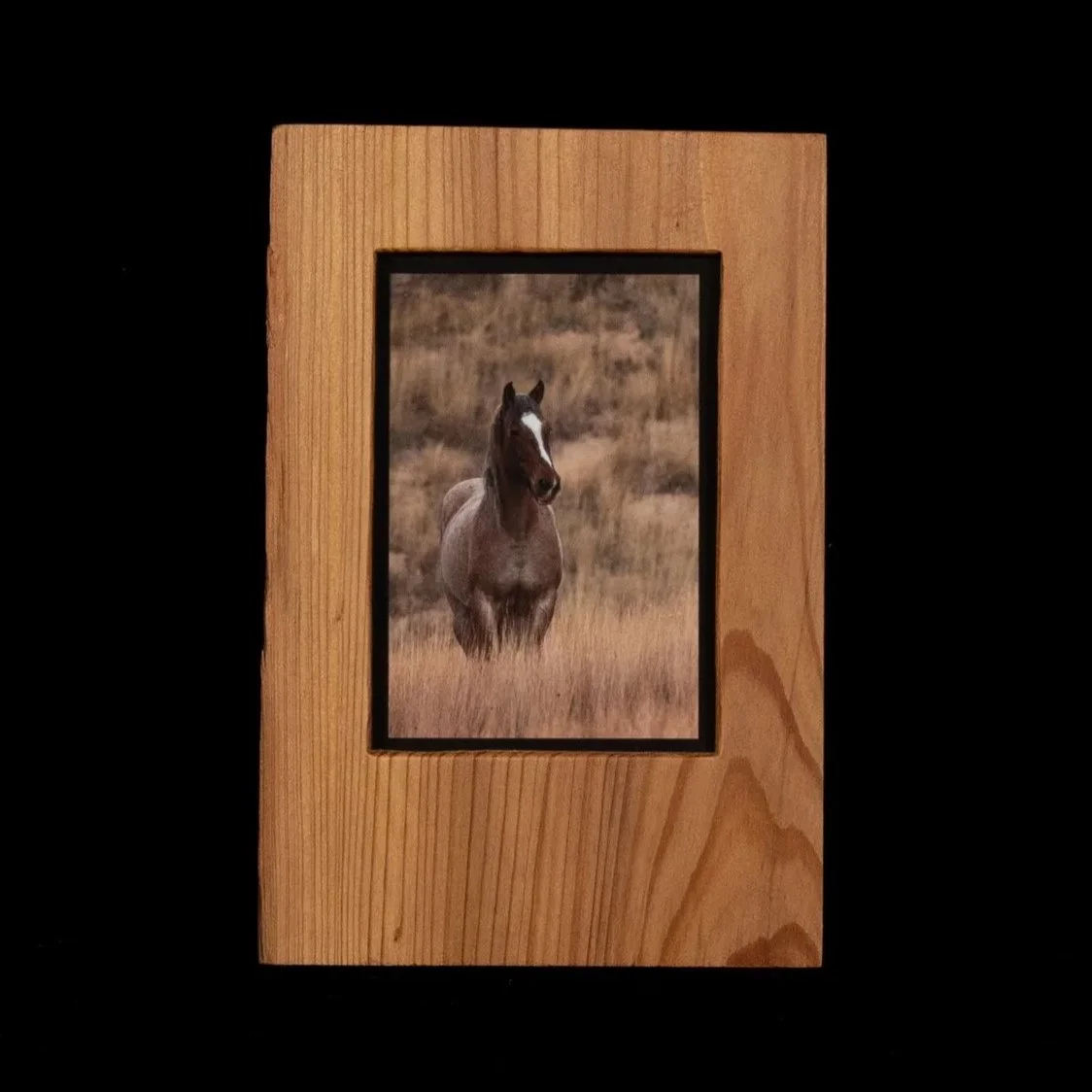
Nokota Horse (Equus ferus caballus), Adult
I always love seeing the wild horses in Theodore Roosevelt. Never too busy either as opposed to many of the other parks I often frequent. This photo was taken 10/27/25 at 3:32 pm.
WeForest Donation: $20 (What is this?)
Print Number: 2/100
Print Size: 3 × 4.5 in.
Total Dimensions: 5.5 × 8.5 in.
THE PHOTOGRAPH
Nokota Horse (Equus ferus caballus)
This breed of Horse came about in the 19th century from a mix of native horses and Spanish horses. The Nokota Horses were nearly wiped out in the early 1900’s; however, in the creation of Theodore Roosevelt National Park, a number of bands of horses were accidentally trapped inside. This resulted in them being protected, and ended up saving the species. The park did sell off many horses at various times and the breed was preserved more widely with the founding of the Nokota Horse Conservancy in 1999. Experiencing these wild horses in their natural environment is a truly special experience. They are as different from domesticated horses as your pet dog is from a wolf in the wild.
THE LOCATION
Theodore Roosevelt National Park, ND
One of the more rural National Parks in the lower 48 states, Theodore Roosevelt is located in the western part of North Dakota, due north of Badlands National Park in South Dakota. Aspects of the terrain are very similar in both parks with the bare buttes sticking up, showing history’s timeline in their dirt. Theodore Roosevelt is actually divided into three units, the North, the South, and the Elkhorn Ranch Units. The South is the most frequented and largest unit. Theodore Roosevelt is more of a rolling hills environment that the dramatic buttes of Badlands, but what truly sets the more northern of the two parks apart is the fauna that resides there. The wild horses of Theodore Roosevelt National Park are my main impetus for visiting over and over. They rule this terrain, along with the ever immovable Bison that rule whatever land they are standing on.
The FRAME
Bald Cypress (Taxodium distichum)
Bald Cypress, the giant of the swamp, is a stately, slow growing native of the southeastern United States. Very tough, it can adapt to thrive in a wide range of soils, including very briny, salty, and water soaked areas. Able to grow very tall, it has great stability at its base thanks to its “knees.” The tallest known Cypress was about 145 feet tall. All of the Bald Cypress I have used in my frames has come from different parts of Louisiana.
